After forty years of family research, I've discovered that name variations in historical records can range from frustrating to humorous. This deep dive into the Prentis surname reveals how census takers, record keepers, and transcribers created chaos for genealogists—and what it teaches us about researching our ancestors.
In This Article
The Xavier Thomas Prentis Mystery: One Name, Many Spellings
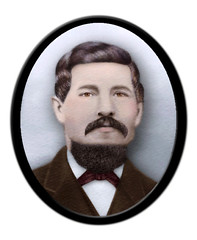
My 2nd great-grandfather, Xavier Thomas Prentis, provides a masterclass in how creative census takers and transcribers could be with a perfectly straightforward name.
The Census Record Chaos
Here's how Xavier Thomas Prentis appeared across various records:
- 1850 census: "Havier Runtz" - despite his wife "Mary Prentis" appearing directly above his entry
- 1860 census: "Exavier Prentiss"
- 1870 census: "Xame Prentiss"
- WPA Graves Registration: "Xaviert Prontis"
- Find a Grave: "Xavier T. Prentice" (later corrected)
Even His Obituary Wasn't Safe
When Xavier Thomas Prentis died, his 1884 obituary in the Ringgold Record contained multiple misspellings. Adding to the confusion, his headstone year appeared as both 1884 and 1885 in different records—a discrepancy that can send researchers down rabbit holes for hours.
When Two Generations Share One Name
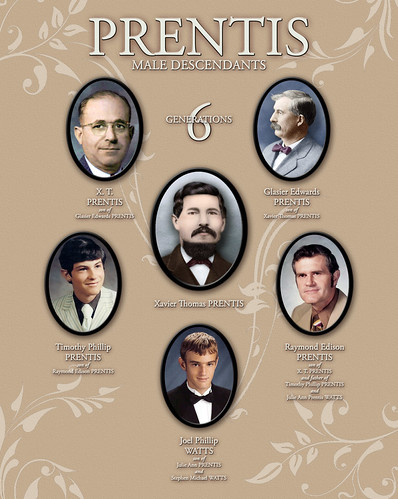
The name "Xavier Thomas Prentis" passed through two generations in my family. Each generation collected its own unique variations, creating a genealogical nightmare—or treasure hunt, depending on your perspective.
My Great-Grandfather: "Elizier E. Prentiſs"
My great-grandfather, Glasier Edwards Prentis, appeared in the 1870 census as "Elizier E. Prentiſs." Notice that long "s" character (ſ) at the end? That distinctive letterform caused countless transcription errors in historical documents.
My Grandfather: The Initial Mystery
My grandfather went by "X.T. Prentis" for decades, insisting his name was only intials. I spent years researching him using only those initials, never realizing his full given name matched his grandfather's. Census transcribers had their own interpretations:
- "A. T." Prentis
- "K. T." Prentis
- "N. T." Prentis
The letter "X" apparently challenged even professional transcribers.
The Prentis Surname: A Timeline of Variations
The surname itself evolved—or devolved, depending on your perspective—across centuries and continents.
American Variations (1700s-1900s)
Three predominant spellings emerged:
- PRENTIS
- PRENTISS
- PRENTICE
Earlier colonial variations included:
- PRENTIES
- PRENTTIES
- PRENTS
- PRINTIS
- Possibly PARENTS and PRINCE
Pre-1600 English Versions
Before 1600, English records show versions with "z":
- PRENTZ
- PRENTIZ
- PRENTYZ and PRENTYS
- PRINTZ
Why Name Variations Happen
Through decades of research, I've identified several recurring causes of name variations in historical records:
1. Handwriting Challenges
The historical long "s" (ſ) looked nearly identical to the letter "f" in many handwriting styles. Census takers' penmanship varied wildly in legibility.
2. Census Transcription Errors
Census takers often recorded names phonetically, asking household members to pronounce their names rather than spell them. Modern transcribers compounded these errors when digitizing handwritten records. Learn more about census transcription errors.
3. Parish and Church Record Variations
The person entering data determined spelling. Different clerks meant different spellings, even for the same family.
4. Newspaper Typesetting Mistakes
Obituaries and news articles contained errors, with body text sometimes differing from quoted signatures.
5. Nicknames and Initials
Many individuals used only initials or nicknames throughout their lives, obscuring their given names from official records.
6. Professional Recording Errors
Even educated professionals made mistakes. My grandfather's birth certificate was incorrectly completed by his uncle, a physician, and was never corrected.
The Headstone Evidence: Married But Different Surnames
Perhaps the most striking visual evidence of surname variation sits in a cemetery: two adjacent 19th-century headstones for a married couple.
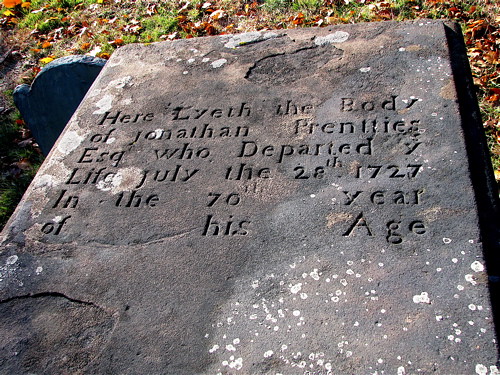
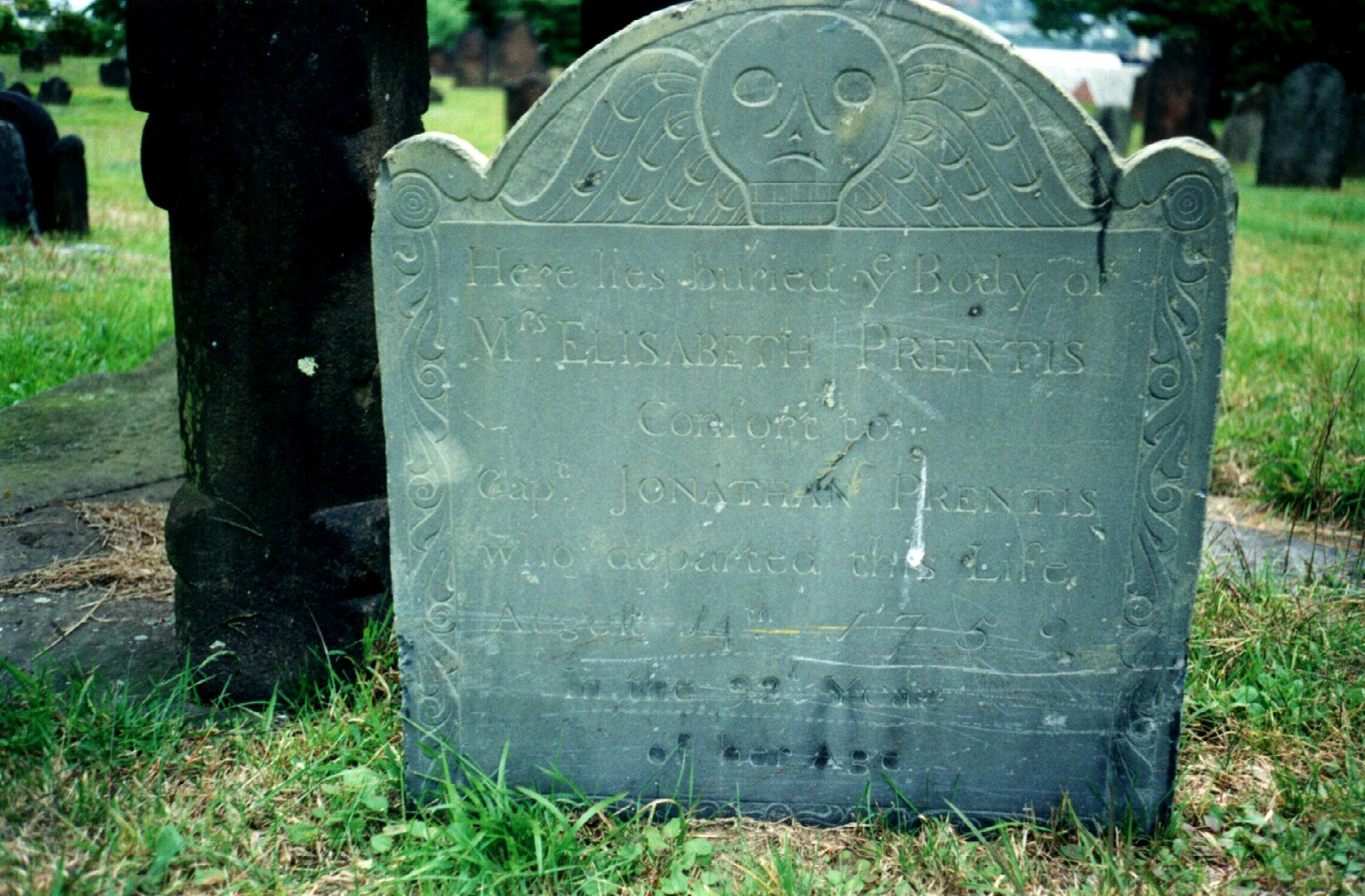
Captain Jonathan Prentties (1657-1727) and his wife Elisabeth Latimer Prentis (1667-1759) rest side by side, their headstones displaying different spellings of the surname they shared. Their descendants' markers show yet more variations.
This physical evidence drives home an important point: even within a single family, surname standardization simply wasn't a priority in earlier centuries.
Key Takeaways for Genealogists
After forty years of family research, I've learned to approach each new record with an open mind and a sense of humor. The errors range from frustrating to genuinely funny, but they're all part of the genealogical journey.
Frequently Asked Questions
How do I know which spelling of a surname is "correct"?
There often isn't one "correct" spelling, especially before the 20th century. Look for the spelling your ancestor used most consistently in documents they personally signed or controlled. However, search for all variations when researching.
Why would census takers spell names so differently from previous years?
Census takers typically asked household members to pronounce their names and wrote what they heard. Different takers had different interpretations of pronunciation, varying levels of education, and inconsistent handwriting. They weren't verifying spelling against previous records.
Should I correct name variations when I find them in online databases?
When contributing to databases like Find a Grave, you can note corrections, but always preserve what the original record actually says. Document both the recorded spelling and the likely intended spelling in your notes.
How can I tell if two different surnames might actually be the same family?
Look for contextual clues: same location, same time period, similar given names, matching family members' names (like "Mary Prentis" appearing above "Havier Runtz"), and consistent ages across records. The totality of evidence matters more than exact name matches.
What's the long "s" character (ſ) and why does it cause problems?
The long "s" (ſ) was used in English writing through the 18th and early 19th centuries. It looks nearly identical to the letter "f" in many handwriting styles, causing transcribers to misread names. "Prentiſs" could easily be transcribed as "Prentifs" or similar variations.
Summary
Name variations in historical records present one of genealogy's most persistent challenges. Through the case study of Xavier Thomas Prentis and the broader Prentis surname evolution, we see how census transcription errors, handwriting challenges, and lack of standardization created documentation chaos across generations. Genealogists must search multiple spelling variations, verify transcriptions against original images, and use contextual clues to identify ancestors accurately.